Learn proper technique and build a sustainable routine for lasting results.
Starting a rope skipping routine doesn't require fancy equipment or a gym membership — just grab a fitness rope and get going. Before you even pick up the rope, take a moment to stand tall, roll your shoulders back and shake out any tension you've been carrying. This simple preparation matters more than most beginners realize. When you begin your first session, start slow and let your body find its rhythm. Your calves will burn, your heart will quicken and that's exactly the point. The top of your foot should stay relaxed rather than rigid and as you swing the rope, keep your elbows close to your sides with just enough wrist rotation to keep things efficient.
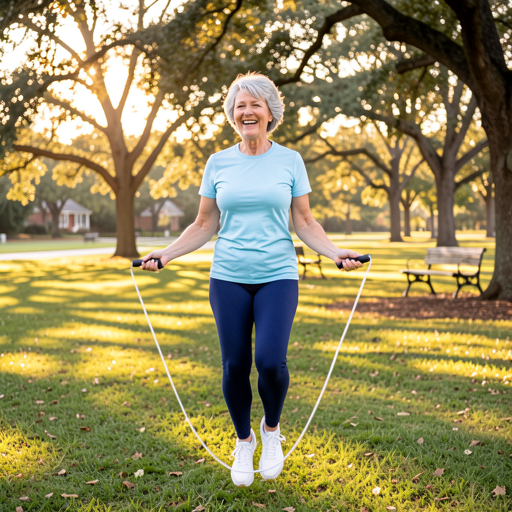
You'll notice your right leg and left leg working in tandem, each step light and deliberate and if you breathe through the burn, the discomfort quickly turns into something energizing. A solid skipping session engages nearly every muscle group you actually care about using. Your shoulders take on the work of maintaining that steady rope arc, which means improved posture and endurance in your upper back and arms. Meanwhile, your core stabilizes your entire frame as you pivot from foot to foot and your legs do the heavy lifting with every bounce. To jump rope effectively, resist the urge to bounce higher than two or three inches off the ground. Excessive height wastes energy and puts unnecessary impact on your knees and ankles. 😉
Instead, focus on quick, economical hops where your heels stay lightly off the floor and your toes guide each landing. This technique preserves your joints while maximizing cardiovascular benefit. Over time, you'll build the kind of lean, functional strength that shows up in everything from climbing stairs to carrying groceries and you won't even need a separate strength training day to get there. Consistency beats intensity every single time and that truth holds especially true when it's about rope skipping. Most people abandon their fitness routine within the first few weeks because they push too hard on day one, then spend the next week paying for it with sore calves, bruised shins and a burned-out attitude. 🌍
Here's a better approach: commit to fifteen minutes a day rather than an hour twice a week. Build your endurance gradually, adding time only when the current duration feels comfortable. On rest days, try gentle stretching that targets your calves, hamstrings and lower back, since these areas tighten quickly from the repetitive bouncing motion. Take slow, deliberate stretches and let the tension drain out with each exhale. Your left hand can reach toward your left foot while your right leg extends fully, creating a deep posterior chain stretch that resets sore muscles and keeps you mobile for the next session. 🏃️
The real magic happens when you stop treating jump rope as a chore and start viewing it as play. It's a cardiovascular workout that feels like a dance, a coordination drill that sharpens your footwork and a stress relief tool that clears your mind after a long day. When you feel stuck in a fitness rut or simply need to shake off mental fatigue, grab a rope and move. You'll discover that your body remembers the rhythm faster than your mind expects and within minutes you're sweating, smiling and feeling genuinely good. That's the gift of rope skipping, plain and simple, no excuses required, no membership needed, just you, a rope and the willingness to show up.