Learn proper form, exercise progressionsand recovery strategies that deliver real results.
Squatting is one of the most fundamental movements in any training program, yet too many people rush through it without paying attention to the details that actually make the difference. When you lower yourself down into a squat position, your thighs should aim to reach parallel with the ground, keeping your weight evenly distributed across the entire foot rather than shifting too far back onto your heels. Your knees track forward over your toes in a straight lineand if you feel your lower back rounding at the bottom of the movement, it is usually a sign that your knees have drifted too far from your torso. Keep your chest up, engage your coreand let your hips move naturally behind you as they descend. You should feel your glutes and hamstrings activate as the load travels toward the earth, then drive back up through your midfoot as you stand. This basic movement builds real-world strength, improves hip mobilityand creates a solid foundation for everything else you lift.
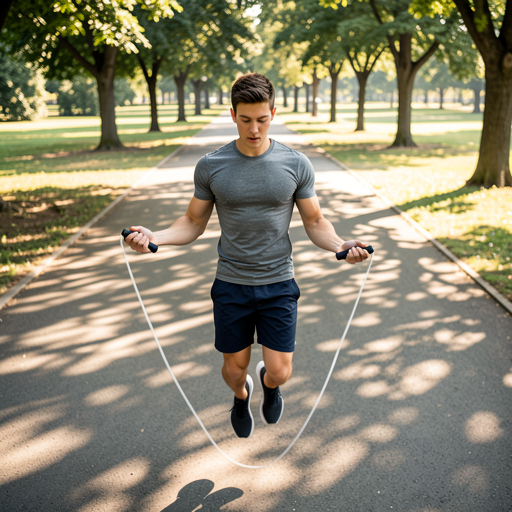
Beyond the gym, proper squat mechanics translate directly into everyday movement patterns that keep you functioning well as you age. Whether you are picking up groceries, getting out of a chairor playing with kids, the strength you develop from training this movement pattern serves you far beyond workout sessions. Many athletes incorporate jumping rope into their routine alongside strength work because it builds cardiovascular endurance without pounding on the joints, making it a smart pairing for a balanced program. The coordination and ankle stiffness required to jump rope develop proprioception that actually feeds back into better squat form, helping you stay balanced and responsive under load.
😉
If you are new to this exercise, start with bodyweight squats and focus on building the movement pattern before adding external weight. Hold onto a sturdy object if you need balance supportand practice the hip hinge pattern by pushing your glutes back as if you are sitting into a low chair. Breathe in as you descend and exhale as you drive back up. Once the pattern feels smooth and controlled, you can progress to goblet squats, barbell back squatsor single-leg variations. The principle remains the same regardless of the variation: maintain a neutral spine, keep your torso bracedand move through a full range of motion that you can control. Consistency matters more than intensity when you are building a habitand showing up for these foundational movements day after day compounds into noticeable results over weeks and months.
👶
Recovery plays an equally important role in seeing progress, so do not neglect the rest periods between training sessions. Your muscles grow stronger during recovery, not during the workout itself, which means adequate sleep, proper nutritionand time between squat sessions allow your body to adapt and improve. If you are incorporating jump rope into your cardio routine, keep the sessions moderate in duration so they do not interfere with your strength gains. Aim for two or three squat-focused sessions per week with at least one rest day between themand vary the variations you use to keep things interesting while hitting the muscles from slightly different angles. The body adapts quickly to repetition, so rotating between front squats, split squatsand traditional barbell variations keeps the stimulus fresh and prevents plateaus. Stick with the process, trust the fundamentalsand let the results follow naturally over time.
💡